Cultural Preservation & Recognition:
Enhancing the Visibility of
Ravanhatha & Bhopas in the City
of
Ahmedabad through the Pedagogy of
Digital Archiving
About the Project
This project delves into the living tradition of the Ravanhatha and the Bhopas, its dedicated performers, as they navigate the challenges of modern Ahmedabad. With the city rapidly changing, these artists face shrinking audiences, fewer traditional venues, and the growing influence of global entertainment. Through personal stories, such as those of Rajubhai Bhopa and his family, the project highlights their enduring spirit and creativity. It also explores new ways to keep the tradition alive, from digital archives and social media platforms to partnerships with cultural institutions. Ultimately, the project not only celebrates the Bhopas’ resilience but also offers real-world ideas to help them gain recognition and ensure that their rich musical heritage continues to inspire future generations.
The Ravanhatha — History & Heritage
The Ravanhatha is widely regarded as one of the oldest bowed string instruments in India, with its origins deeply rooted in the folk traditions of Rajasthan and Gujarat. Its history is intertwined with mythology, most notably the legend of Ravana from the Ramayana, who is believed to have invented the instrument. According to tradition, Ravana, a scholar and gifted musician, utilized the Ravanhatha to produce divine melodies that could captivate even the gods. This mythological association elevates the instrument beyond its physical form, embedding it with sacred, narrative, and cultural significance that has endured for centuries.
Historically, the Ravanhatha has been preserved and propagated by the Bhopa community, a group of hereditary folk performers who function as musicians, storytellers, and oral historians. Their performances are not merely artistic expressions but acts of cultural preservation, where music, narrative, and spirituality converge. Accompanied by the Ravanhatha, Bhopas traditionally narrated epic tales such as the Ramayana and regional legends, creating immersive experiences that connected communities to their shared heritage. Through these performances, the instrument became a vital medium for transmitting collective memory and sustaining regional identity.
This legacy of movement and adaptability continues to shape the Ravanhatha’s presence today. While the traditional rural settings have evolved into more complex urban landscapes, the essence of the practice remains rooted in continuity. The instrument serves as a living artefact of India’s intangible cultural heritage, bridging mythology, history, and lived experience. Its endurance reflects not only the depth of its historical roots but also the resilience of the communities that have safeguarded its legacy across generations.
From the Field
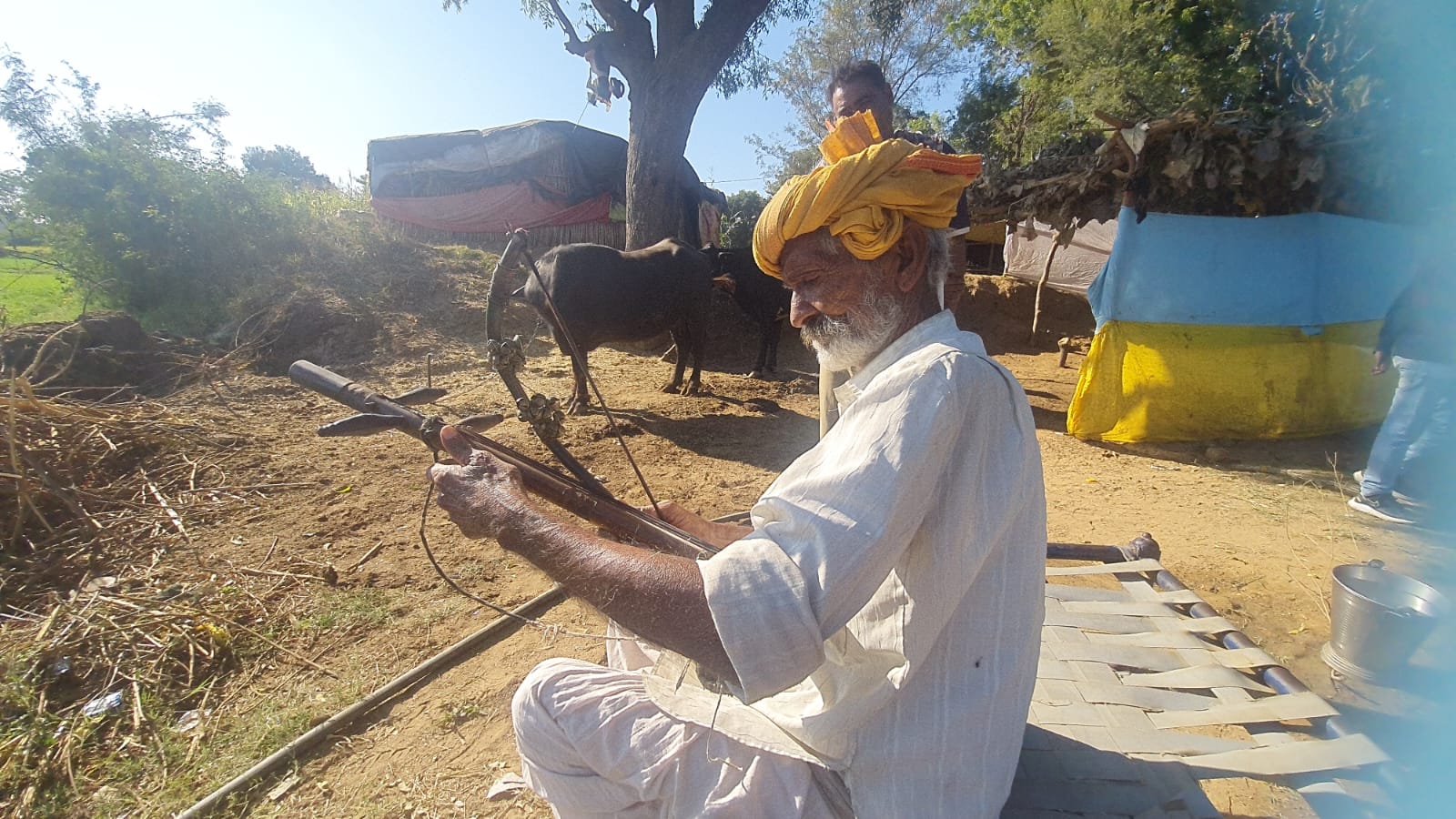
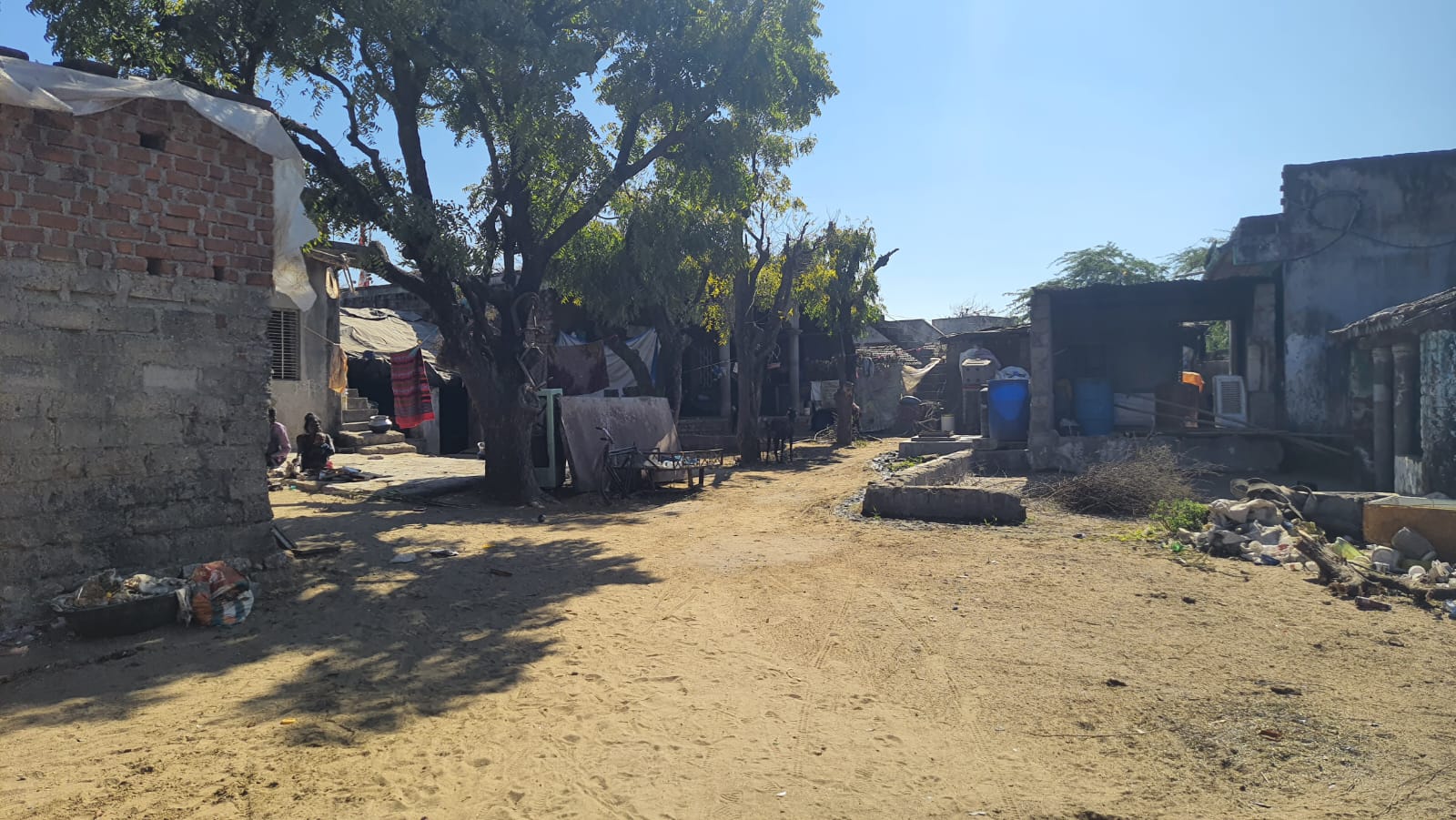
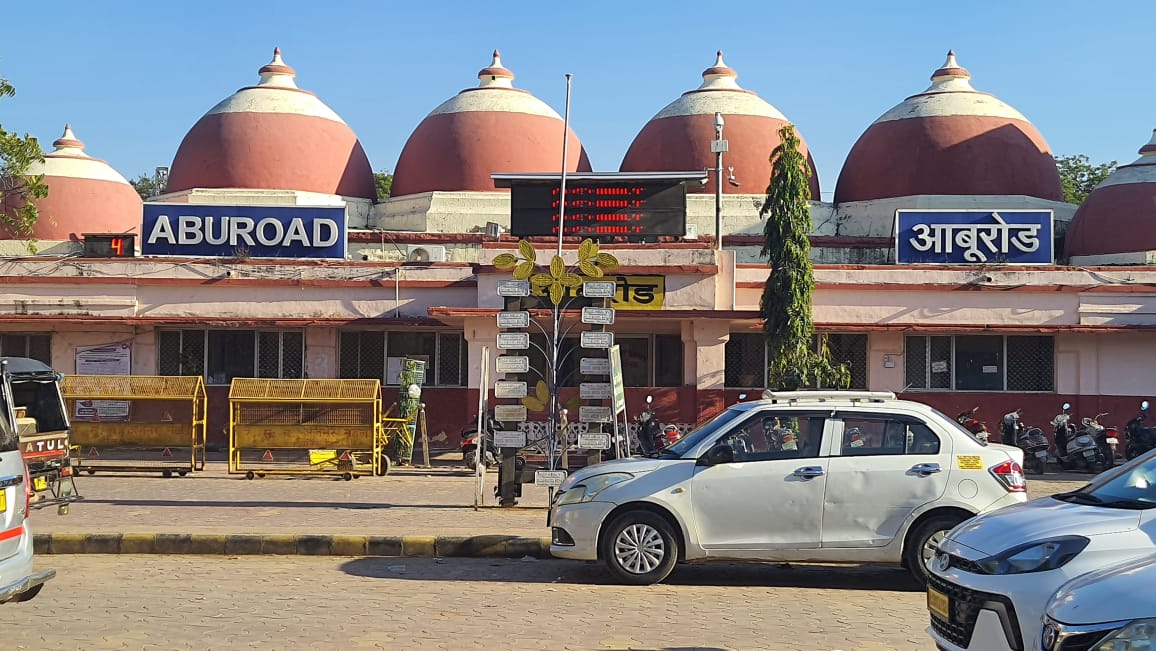
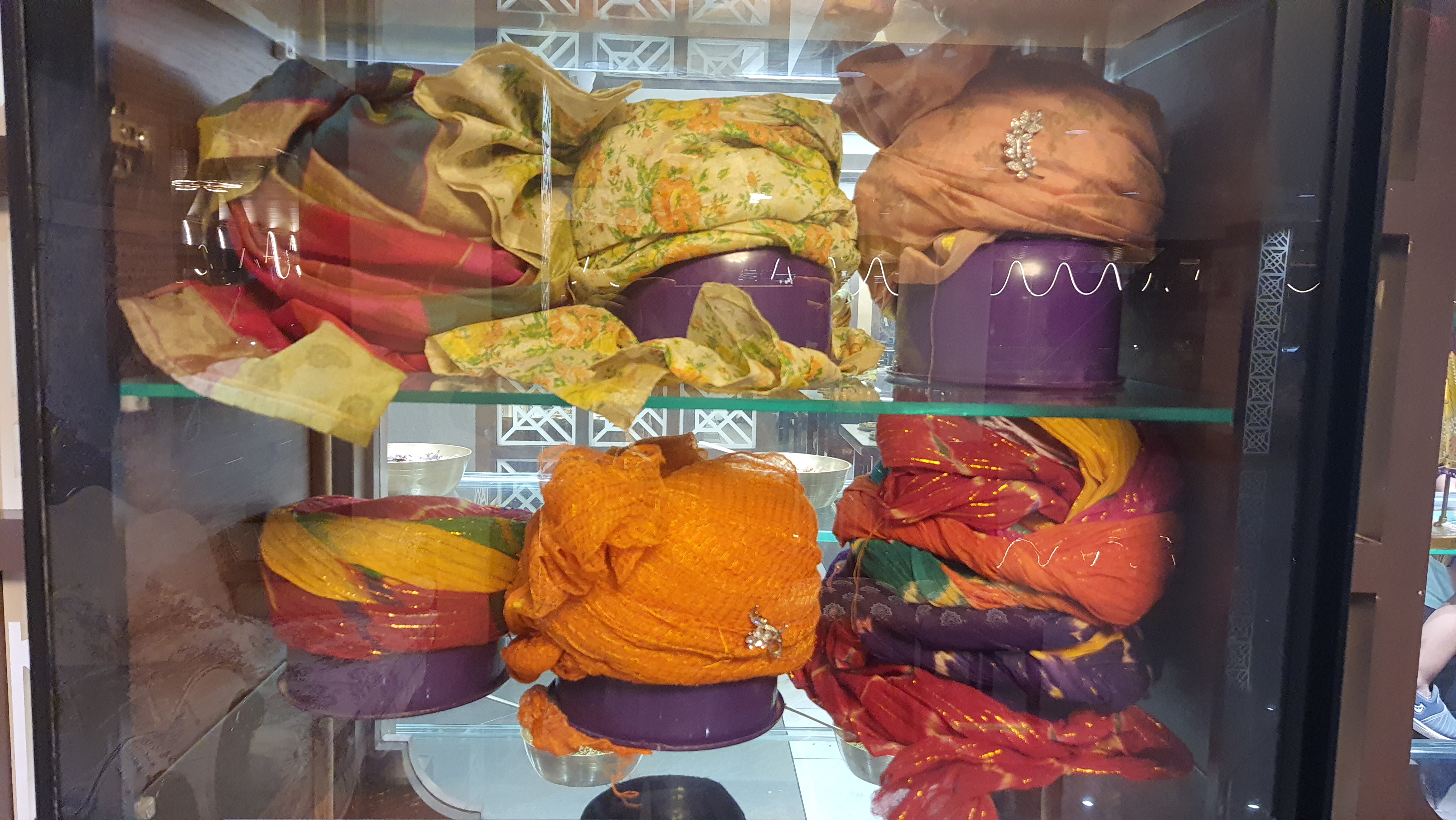
Photographs from research visits. View full gallery →
How Project Was Conducted
This research follows a qualitative, ethnographic methodology combining desk research, field observation, in-depth interviews, and audio-visual documentation. The study was carried out across six phases, moving from historical grounding to direct community engagement to digital archiving, spanning urban Ahmedabad and the ancestral villages of Banaskantha and Sirohi.
Phase 1 — Historical & Contextual Research: The first phase was dedicated to understanding the Ravanhatha its mythological origins, organological features, and the cultural identity of the Bhopa community. This involved reviewing existing academic literature, archival sources, and documentation related to folk music traditions of Rajasthan and Gujarat. This groundwork provided the conceptual framework within which the subsequent fieldwork would be situated.
Phase 2 — Mapping Urban Performance Spaces: The second phase involved visiting multiple locations across Ahmedabad to observe where and how Bhopa artists perform in the city. Sites including Pakwan Char Rasta on the SG Highway, the Mirch Masala restaurant on C.G. Road, Kalyan Pushti Haveli in Vastrapur, and the Vastrapur na Mahaganpati temple were documented and analysed. This phase revealed how the urban landscape fragments the tradition across distinct social, commercial and sacred spaces.
Phase 3 — Case Study: Rajubhai Bhopa and His Family: The third phase centred on an in-depth engagement with Rajubhai Bhopa and his family, who reside in the Thaltej area of Ahmedabad. Through sustained conversations and interviews, we documented their migration from a village near Mt. Abu in Sirohi District, Rajasthan, to Ahmedabad, their multi-generational practice of the Ravanhatha, and the daily realities of sustaining this art form as their primary livelihood in the city.
Phase 4 — Broader Artist Interactions in Ahmedabad: Building on the case study, the fourth phase widened the scope to include interactions with other Bhopa practitioners encountered across Ahmedabad. These conversations helped identify patterns of adaptation, shared challenges, and the range of strategies artists employ to find audiences and income within the urban context.
Phase 5 — Field Visits to Ancestral Villages: The fifth phase took the research to the community's geographical origins the villages of Panchha in Banaskantha, Gujarat, and Revdar in Sirohi District, Rajasthan. These visits provided direct insight into the living conditions, intergenerational transmission of the craft, and the role of organisations such as Shree Shakti Seva Kendra in providing housing and institutional support to artist families.
Phase 6 — Digital Archiving and Web Representation: The final phase involved the compilation and organisation of all collected material photographs, video recordings, oral history interviews, and field notes into a structured digital archive. This website represents the culmination of that effort, making the research accessible to a broader public and ensuring that the documented knowledge of the Ravanhatha tradition is preserved beyond the boundaries of the academic community.